TEL: 616.808.2695 | FAX: 616.808.2697
1959 EAST PARIS AVE SE, GRAND RAPIDS, MI 49546


PEPTIDE THERAPY
Peptide Therapy
Peptides are amino acid sequences that are naturally produced in the body that can have a beneficial effect on the body and positively impact human health. Recent research indicates that peptides promote a variety of beneficial health benefits from slowing down the aging process, reducing inflammation, accelerating healing and recovery, improving cognitive function, and increasing natural hormone production. Age Management of West Michigan offers physician guided peptide protocols that utilize quality US sourced peptides with the highest purity and potency.
WHY IS PEPTIDE THERAPY GAINING POPULARITY?
Peptides are becoming a major trend in health and wellness because they offer targeted benefits with fewer side effects compared to some traditional treatments. Their versatility makes them appealing for fitness, anti-aging, and overall health optimization. Peptides are powerful compounds that support muscle growth, fat loss, skin health, and recovery. Whether you’re looking to improve performance, enhance your appearance, or support long-term wellness, peptides offer a promising solution backed by science.
Age Management of West Michigan is the leading source of quality peptide therapies.
-
Physician prescribed peptide treatments
-
Peptide Experts: Over a decade of peptide experience
-
Largest selection of oral, sublingual, topical, and injectable peptide options available.
-
Pharmaceutical grade peptides compounded in U.S. pharmacies for human consumption. cGMP and USP 795, 798, and 800 certified.
-
Guaranteed purity and potency
-
HSA/FSA approved.


Disclaimer:
Individual results vary. Best results obtained with combination of a healthy diet and lifestyle . These products nor the ingredients have been approved or endorsed by the FDA. These products are not intended to diagnose, treat, cure or prevent any disease. Homeopathic products have not been reviewed by the FDA for safety and effectiveness to diagnose, treat, cure, or prevent any disease or conditions. These are compounded by a US compounding pharmacy that provides these for physician prescribed patient-specific use only. You should consult a licensed health care professional before starting any peptide, supplement, dietary, or exercise program. Products not recommended if you are pregnant or breast feeding.
_JPG.jpg)


Oral, Sublingual, and Topical Peptides
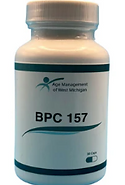


Advanced Skin Repair Peptide Serum
.png)

Injectable Peptides
A healthcare professional should determine whether peptide therapy is appropriate for an individual. All peptide treatments at AMWM are physician prescribed after a complete evaluation that may include medical history, current medications, health goals, existing conditions, and available evidence regarding potential benefits and risks.

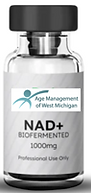


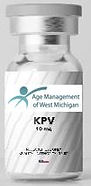

Let us help you identify the Peptide treatment that best aligns with your Health & Wellness goals.
Schedule your FREE Peptide consultation
Peptide Treatment Categories
MUSLCE GROWTH & RECOVERY: Sermorelin / BPC-157 / TB500 / Wolverine Blend / Tesamorelin / AOD9604
AESTHETICS: SKIN &HAIR: GHK-Cu / GLOW Blend / Sermorelin / Epithalon / Advanced Skin Repair Serum
BRAIN & COGNITIVE HEALTH: Nootropic Brain Spray (Semax, Selank, Oxytocin) / NAD+ / Sermorelin
WEIGHT LOSS & METABOLISM: Semaglutide / MOTS-c / Tesamorelin / AOD9604 / Sermorelin
ADVANCED HEALING: Wolverine Blend / GLOW Blend / BPC-157 / TB500 / GHK-Cu / Sermorelin
ANTI-INFLAMMATION: KPV / BPC-157 / TB500 / Wolverine Blend
ENERGY: MOTS-c / NAD+ / Sermorelin
LONGEVITY AND MITOCHONDRIAL HEALTH: MOTS-c / NAD+ / Epithalon / Sermorelin
SLEEP: D-SIP / Sermorelin
Potential benefits of Peptide Therapy
-
Healthy Aging & Cellular Function: support for cellular signaling, repair, and metabolic processes
-
Tissue Repair & Recovery: potential support for muscle, tendon, ligament, and wound healing
-
Body Composition: Support for reducing visceral fat, preserving lean muscle, and improving metabolic health
-
Growth-Hormone Signaling: certain peptides stimulate the body's natural GH release
-
Metabolic Health: potential improvements in glucose regulation, insulin sensitivity, and energy metabolism
-
Mitochondrial Function: support for cellular energy production and metabolic signaling
-
Muscle Recovery & Performance: potential support for recovery, exercise adaptation, and lean muscle
-
Skin Health & Regeneration: collagen production, elasticity, wound repair, and overall skin quality.
-
Inflammation Modulation: some peptides affect pathways involved in inflammatory signaling
-
Gut Health: peptides may influence intestinal inflammation and gut-barrier function
-
Sexual Wellness: peptides can influence sexual desire and arousal
-
Sleep & Circadian Function: potential influence on circadian rhythms and sleep cycle recovery
-
Cognitive & Neurological Support: potential neuroprotective and brain supportive benefits
Peptide Therapy FAQs
1. How do I get started with peptide therapy?
The first step is to schedule a free peptide consultation to go over peptide options and determine what peptide therapy will be right for you. Then a medical consultation with provider at Age Management of West Michigan. Your provider will review your health history, medications, medical conditions, and treatment goals to determine whether peptide therapy is appropriate. If treatment is recommended, you will receive information about the medication, dosing, potential benefits and risks, and follow-up care.
2. What is peptide therapy?
Peptide therapy uses specific peptides or peptide-based medications to influence biological processes in the body. Depending on the treatment, peptide therapy may be used for medically appropriate goals such as weight management and metabolic health. Treatment should be personalized and supervised by a qualified healthcare professional.
3. What are the benefits of peptide therapy?
Potential benefits depend on the specific peptide and the patient's individual health goals. Peptides offer a wide variety of anti-aging and health benefits.
-
Skin: Some peptides may support collagen production and improve the appearance of fine lines, firmness, and skin texture.
-
Muscle & recovery: Certain medically studied peptides can influence growth-hormone signaling, but evidence and safety vary considerably.
-
Metabolic health: Some peptide-based medications—such as GLP-1 receptor agonists—can help regulate blood sugar, reduce appetite, and promote weight loss.
-
Wound healing: Certain peptides are being investigated for tissue repair and healing.
-
Hormonal functions: Naturally occurring peptides regulate processes such as insulin release, appetite, growth, and reproductive functions.
4. Who Is a Candidate for Peptide Therapy?
There is no universal eligibility requirement for peptide therapy because different medications have different indications and contraindications.
A medical provider may consider factors including:
-
Your medical history
-
Current medications
-
Existing health conditions
-
Weight and metabolic health
-
Previous treatments
-
Treatment goals
-
Relevant laboratory results
After reviewing this information, your provider can determine whether peptide therapy is medically appropriate.
5. Is peptide therapy safe?
Peptide therapy is recognized as generally safe with minimal documented side effects. The safety of peptide therapy depends on the specific medication, dose, formulation, and individual patient. Potential risks and side effects vary between treatments. A medical evaluation and ongoing monitoring can help determine whether peptide therapy is appropriate and safe for you. Peptides should only be purchased and utilized from qualified medical facilities like Age Management of West Michigan and be approved by a physician.
6. What are the side effects of peptide therapy?
Side effects vary depending on the specific peptide. Most peptides have minimal documented side effects and contraindications with medications. You should only use peptide therapies under the prescription and guidance of an experienced medical office and provider. Your provider should review the potential side effects and risks associated with your specific treatment.
7. Can peptide therapy help with weight loss?
Certain peptide-based medications may be prescribed as part of a comprehensive medical weight-management program. Results vary by individual, and treatment typically works best alongside appropriate nutrition, physical activity, and ongoing medical care.
8. What is GLP-1 peptide therapy?
GLP-1 therapy refers to medications that act on the glucagon-like peptide-1 pathway. These medications can affect appetite, blood sugar regulation, and digestion. Some GLP-1 medications are FDA-approved for specific medical conditions, including certain uses involving type 2 diabetes and chronic weight management.
9. Are peptides FDA approved?
“Peptide therapy” is a broad category, so FDA approval depends on the specific medication and its intended use. Some peptide-based medications are FDA-approved for specific indications, while compounded peptide products are not FDA-approved. Your provider can explain the regulatory status of the specific medication being considered.
10. Are compounded peptides safe?
Compounded medications can be appropriate in certain circumstances, but compounded drugs are not FDA-approved and do not undergo the same FDA premarket review for safety, effectiveness, and quality as FDA-approved medications. Patients should discuss the benefits, risks, formulation, and source of any compounded medication with their healthcare provider. Age Management of West Michigan peptides are compounded in U.S. pharmacies for human consumption. cGMP and USP 795, 798, and 800 certified.
11. How long does peptide therapy take to work?
The timeline varies depending on the medication, dosage, treatment goal, and individual response. Some patients may notice changes relatively early, while other outcomes take longer to evaluate. Your provider can explain what results to expect and when your treatment should be reassessed.
12. Where can I get physician prescribed peptide therapy in Grand Rapids, MI?
Age Management of West Michigan provides physician prescribed and guided peptide therapy in Grand Rapids, Michigan. A FREE peptide consultation can help determine what peptide therapy is appropriate based on your goals and medical history. All peptide treatments at AMWM are physician prescribed after a complete evaluation that may include medical history, current medications, health goals, existing conditions, and available evidence regarding potential benefits and risks.
13. How do I get started with Peptide Therapy?
The first step is to schedule a FREE Peptide consultation with a qualified medical professional at Age Management of West Michigan to discuss your goals, medical history, current medications and whether Peptide Therapy is an appropriate option. Then an appointment for physician clearance. All peptide treatments at AMWM are physician prescribed after a complete evaluation that may include medical history, current medications, health goals, existing conditions, and available evidence regarding potential benefits and risks.